



The Ultimate Guide To Wholesale Restaurant Tables And Chairs
Buy restaurant tables and chairs wholesale as one coordinated, durability-specified package priced per seat-year, not per unit. Price competition on a chair is meaningless unless the bid states frame material, finish thickness, test standard, spare-parts percentage and container loading. A worked comparison shows why: a 160 USD contract chair kept for ten years costs about 16 USD per seat-year, while a 70 USD chair replaced every three years costs about 23 USD before labour, freight and downtime are added. The National Restaurant Association forecasts 1.55 trillion USD in US restaurant and foodservice sales for 2026 on 15.8 million jobs, and 60 percent of operators reported lower traffic in 2025 — so the case for wholesale is capital efficiency, not cheap furniture. For specification questions beyond the scope of this article, see the CDG FAQ library. Focus Topics In This Guide restaurant tables and chairs wholesale · wholesale restaurant tables and chairs · restaurant chairs and tables wholesale · restaurant table and chairs wholesale · wholesale restaurant tables · tables for restaurant wholesale · wholesale tables for restaurants · restaurant table wholesale · wholesale chairs and tables for restaurant · wholesale restaurant chairs and tables · wholesale table and chairs for restaurant · wholesale tables and chairs for restaurants · wholesale restaurant tables and chairs for sale · dining restaurant chairs and tables wholesale · restaurant tables wholesale A wholesale buying guide to restaurant tables and chairs: unit economics, materials, sizing, supplier vetting, MOQ and delivery timelines, with 2026 industry data and test standards. Wholesale saves money for one structural reason: you buy at the factory gate, in a quantity that lets the factory plan veneer, upholstery and powder coating as a single production run. The saving is real but it is not the main number. The main number is cost per seat-year, which combines unit price, freight, replacement cycle and the labour cost of swapping chairs mid-service. Deloitte's Foodservice Market Monitor 2026 puts global foodservice at 2,981 billion EUR in 2025, growing 2.2 percent, with Europe up 6.0 percent and Asia-Pacific up 3.2 percent. Every new outlet in that growth carries a furniture order that will be replaced at least once inside a normal lease. Treating that order as a consumable rather than a capital asset is where budgets leak. Table 1. Cost per seat-year for three specification tiers (worked example at 500 chairs, indicative unit prices; substitute your own quotes). Furniture life tracks sit cycles, not calendar years. A supplier-side benchmark puts a well-jointed solid timber frame at 8-12 years, coated metal at 7-10, a laminated plywood shell at 5-8 and moulded polypropylene at 3-5 in a normally busy room — and roughly halves those figures in a room turning three times daily. That is why the cheapest bid usually wins the purchase order and loses the five-year budget. Four material families cover almost every commercial dining room. The choice should follow traffic intensity and cleaning chemistry, not the mood board. A 1.0 mm laminate top and a 2.0 mm high-pressure laminate top look identical on a sample board and behave completely differently after 30,000 covers. Ask for the test report per model, not a brand certificate. ANSI/BIFMA X5.1-2017 requires a 136 kg proof-load drop and 120,000 swivel cycles for general-purpose seating; EN 16139:2025 covers non-domestic seating up to 110 kg; EN 15372:2023 covers non-domestic tables. A model that has passed one of these is a different product from one that has passed nothing. Table 2. Material selection matrix for wholesale restaurant tables and chairs. For a specification that has to survive a five-year lease without a change order, use 2.0 mm HPL on 18 mm calibrated plywood for the top and a tested frame for the base. For premium rooms where the table is part of the brand, solid oak or walnut at 30-40 mm with a conversion varnish is the better asset — provided the operator accepts a maintenance routine. Wholesale pricing is quoted per model, but layout performance is decided by the size mix. Order the sizes your floor plan needs, in the ratio your seating chart actually sells, rather than rounding everything to a 30 x 30 inch four-top. Standard commercial dining height is 30 inches (762 mm); counter height is 36 inches (914 mm); bar height is 42 inches (1,067 mm). Getting the height band wrong is the most expensive layout error because it cannot be fixed after installation without new bases. Table 3. Common commercial table sizes and comfortable seating. A 30 inch round top seats four and occupies about 4.9 square feet of top area; the same four covers on a 30 inch square need 6.25 square feet of top area, about 27 percent more for the same seat count. Round tops also remove the corner that snags a tray. Where the room is tight, mixing rounds in the centre with rectangles against banquettes buys back circulation. Related CDG Resources By Topic Cdg Commercial Furniture: restaurant tables and chairs wholesale · wholesale table and chairs for restaurant · wholesale restaurant tables and chairs for sale Restaurant Furniture Catalog: wholesale restaurant tables and chairs · wholesale restaurant chairs and tables · dining restaurant chairs and tables wholesale Indoor Chairs: restaurant chairs and tables wholesale · wholesale chairs and tables for restaurant Indoor Sets: restaurant table and chairs wholesale · wholesale tables and chairs for restaurants Indoor Tables: wholesale restaurant tables · tables for restaurant wholesale · wholesale tables for restaurants · restaurant table wholesale · restaurant tables wholesale Start with revenue per available seat hour, not seat count. RevPASH is total revenue divided by seats times open hours; casual dining typically runs 8-18 USD per seat-hour, fine dining 12-25 USD with fewer turns, and QSR 4-10 USD with 5-8 turns per meal. Two rooms with the same 80 seats can differ by 30 percent in RevPASH purely on table geometry and aisle width. Booths are the space-efficient instrument and tables are the flexible one. A four-person booth occupies about 21 square feet against roughly 35 square feet for a four-person table with chairs, a 25-30 percent floor-area saving; a banquette runs about 0.9 square metres per guest against 1.4 for freestanding seating. But a booth built for four cannot become two tables for two at 6 pm. Table 4. Seating format trade-offs for a wholesale order. A practical starting mix for full-service casual dining is 40-50 percent booth or banquette seating, 40 percent freestanding tables, and 10-20 percent high-tops for the bar and waiting zone. Then check the main aisle at 1,200 mm and secondary aisles at 900 mm before confirming quantities. Most supplier comparisons are conducted on a price sheet. Run them on a scorecard instead, and ask each supplier to fill the same rows with evidence. The suppliers who cannot answer are the ones whose price will move after the deposit. A wholesale programme is a five-year relationship with a factory, a forwarder and a spare-parts desk. Score the parts desk as seriously as the price. A 2-3 percent spare allocation fixed at order value is the cheapest insurance in the package, because a single missing leg in year four can idle a whole banquette run. Table 5. Supplier scorecard used in CDG pre-order reviews (score 1-5 per row). MOQ is usually set by the production cell, not by the sales desk: a powder-coating line needs a minimum batch to justify a colour change, and an upholstery line needs a minimum cut length. In practice, mixed orders of 100-200 units per model unlock factory pricing, and 500 units per model unlocks custom colour and custom size at close to standard cost. Volume maths should be run in cubic metres, not units. A 40-foot high cube holds 76.4 cbm nominal and about 68 cbm of realistic planning load; a 20-foot standard holds 33.2 cbm nominal and about 28 cbm planning. Stackable chairs at 0.15-0.25 cbm each put roughly 270-450 chairs in a 40HQ before tables are added. Plan twelve to sixteen weeks from approved specification to installed furniture, plus the installation window. Buyers routinely budget for production and forget sample approval, which is the real critical path on a custom model. The four stages that consume the calendar are sample approval (15-25 days for a new model), production (30-45 days), sea freight (25-35 days to most markets) and installation (two to five nights for 150-300 seats). Add 10-15 days if the order needs third-party inspection before shipment. Table 6. Wholesale order timeline by stage. The figures quoted in this guide are working ranges used in pre-order reviews. The charts below render the article data visually so a specification team can compare bids against the same numbers; confirm every threshold against the project brief and the purchase order before a deposit is paid. Send us the floor plan, the seat count by zone and your target opening date. We will return a model-by-model quotation with a durability annex, a container loading plan at 85 percent of planning volume, a spare-parts list at 2-3 percent of order value, and a delivery schedule that starts from sample approval rather than from the deposit. If you are comparing two or three supplier bids, send those too. We will mark each bid against the scorecard above, line by line, and tell you which numbers will change after the deposit. Contact Lisa Liang directly: lisaliang@cdgfurn.com | +86 139 2610 3331 (WhatsApp / WeChat) | Export office +86 20 3693 3270. Or use the inquiry form on cdgfurn.com and we will reply within one business day. Continue with the inquiry form, the contact page, the restaurant furniture catalog and the CDG Blog. restaurant tables and chairs wholesale is the subject of this guide. The figures below are the working ranges used in CDG pre-order reviews; confirm every threshold against the project brief before a deposit is paid. Factory pricing usually starts at 100-200 units per model, and 500 units per model unlocks custom colour and custom size at close to standard cost. Mixed containers can combine several models as long as each model clears its production batch. Buy them as one package under one specification annex, but keep the line items separate. Sets simplify matching, while separate lines let you replace chairs without re-buying bases, and let you keep a tested base with a new top. Fix 2-3 percent of order value in spare legs, glides, seat pads and one spare top per 50 tables. Ask for a named replacement lead time, because the cost of a missing part is downtime, not the part.Quick Answer: How Should Wholesale Restaurant Tables And Chairs Be Bought?
Why Wholesale Restaurant Tables and Chairs Save You Money
Specification Unit price (USD) Service life Replacement labour Cost per seat-year Entry: 1.0 mm veneer, 18 mm plywood, 4-leg frame 70 3 years 1 swap ≈ 23.3 USD Mid: 1.5 mm HPL, beech frame, contract foam 110 6 years 0-1 swap ≈ 18.3 USD Contract: 2.0 mm HPL or solid oak, tested frame 160 10 years 0 swaps ≈ 16.0 USD 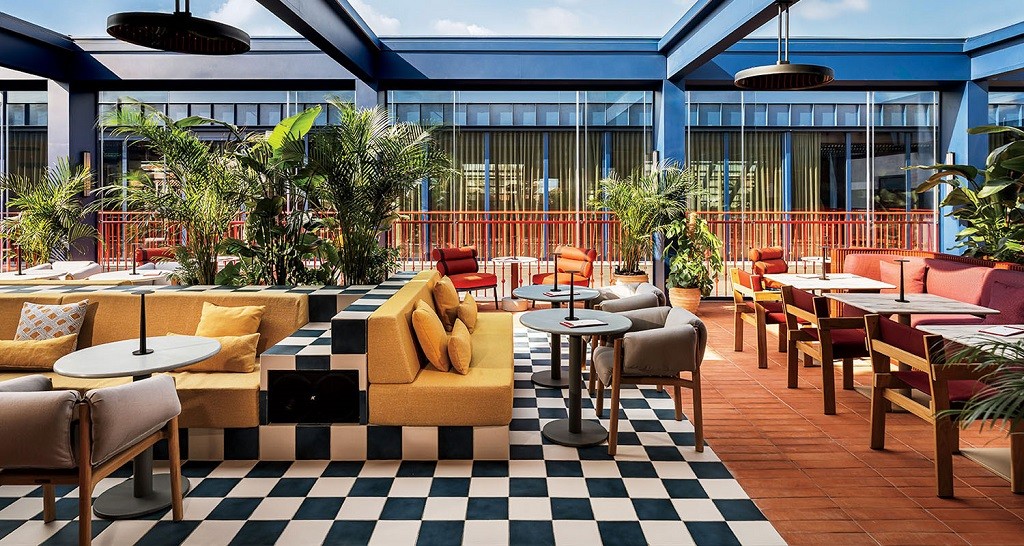
Top Materials for Wholesale Restaurant Tables and Chairs
Material Best traffic band Wear behaviour Repair Watch point Solid oak / maple / walnut Premium, low-to-mid traffic Dents rather than delaminates Sanded and re-oiled Movement at 55-65% RH; Janka 1,010-1,450 lbf HPL / compact laminate High traffic, 7-day operation ≥150 wear cycles to EN 438-2 Top replaced, frame kept Edge profile and corner radius Butcher block Rustic, moderate traffic Cuts and stains accumulate Sanded in situ Oil maintenance every 8-12 weeks Powder-coated aluminium / steel Indoor-outdoor, bar zones Chips at joints if under-cured Powder touch-up Coating thickness and salt-spray hours Restaurant Tables and Chairs Wholesale — Sizing and Configurations
Top shape and size Comfortable seats Typical use Base note 24 x 30 in / 600 x 750 mm 2 Café, bar-side, two-tops Single column or 4-leg 30 x 30 in / 750 x 750 mm 2-4 High-volume four-top 4-leg or twin base 30 x 42-48 in / 750 x 1,070-1,220 mm 4 Booth pairing, banquette Twin or 4-leg 36 in round / 900 mm 4 Casual dining Single pedestal 42 in round / 1,070 mm 5 Family dining Single pedestal 48 in round / 1,220 mm 6 Group dining Double pedestal 60 in round / 1,520 mm 8 Communal, banquet Double pedestal How to Choose the Best Wholesale Restaurant Tables for Your Layout
Format Floor area per guest Turn behaviour Best position Order implication Booth ≈0.75 m² Longer dwell, higher check Perimeter bays, corners Fixed pair with table Banquette ≈0.9 m² Moderate dwell Long walls, windows Continuous run, movable tables Freestanding table and chair ≈1.4 m² Fastest reset Room centre Mix of top sizes High-top ≈1.3 m² of plan area, 2 covers Fast, low dwell Bar, lounge, waiting zone 42 in height bases 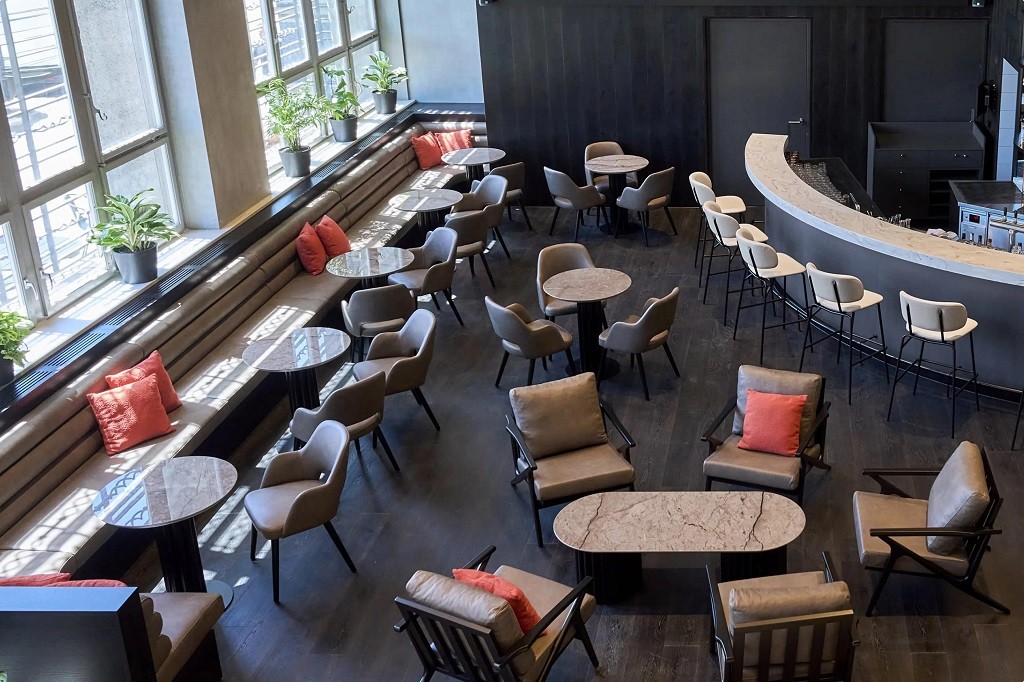
Comparing Wholesale Restaurant Tables and Chairs Suppliers
Criterion Evidence to request Pass threshold Durability Test report per model and per specification BIFMA X5.1 or EN 16139 / EN 15372 report Coating Powder type, film thickness, salt-spray hours ≥60 µm, ≥500 h ASTM B117 indoor; 1,000 h coastal Top substrate Panel grade, formaldehyde compliance CARB Phase II / TSCA Title VI, 0.05 ppm plywood Loading Container plan with carton dimensions ≥85% of 68 cbm planning load in a 40HQ Spares and lead time Named part list, replacement lead time 2-3% of order value, ≤45 days Warranty Structural and finish terms in writing ≥5 years structural Minimum Order Quantities for Wholesale Restaurant Tables
Delivery Timeline for Restaurant Tables and Chairs Wholesale Orders
Stage Duration Buyer action Risk if skipped Specification and quotation 3-7 days Confirm sizes, colours, test reports Price drift after deposit Sample approval 15-25 days Approve top, finish, foam, edge Bulk production of the wrong sample Production 30-45 days Approve pre-production check Late discovery of colour batch variance Sea freight 25-35 days Book forwarder, confirm incoterm Demurrage and site idle time Installation 2-5 nights Book lift, protect floors Blocked circulation at opening 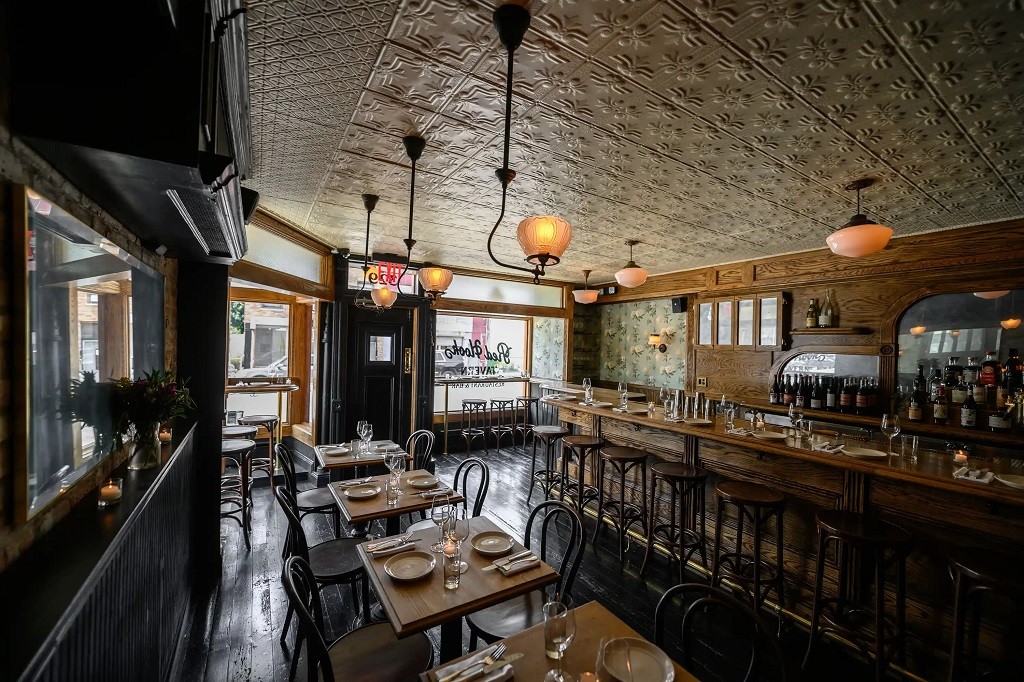
Data In Charts: The Numbers Behind Wholesale Pricing
Cost Per Seat-Year By Specification Tier (USD)
Frame Service Life In A Normally Busy Room (Years, Upper Bound)
2026 Foodservice Growth By Region (Percent)
Container Planning Load (CBM)
Let's Build Your Wholesale Table and Chair Package
Answer-First Reference: Wholesale Buying Numbers
What is a realistic MOQ for restaurant tables and chairs wholesale?
Should I buy tables and chairs as a set or separately?
How much should I budget for spares?
Key Takeaways Worth Quoting