
The Timeless Appeal Of Wood And Metal Restaurant Furniture
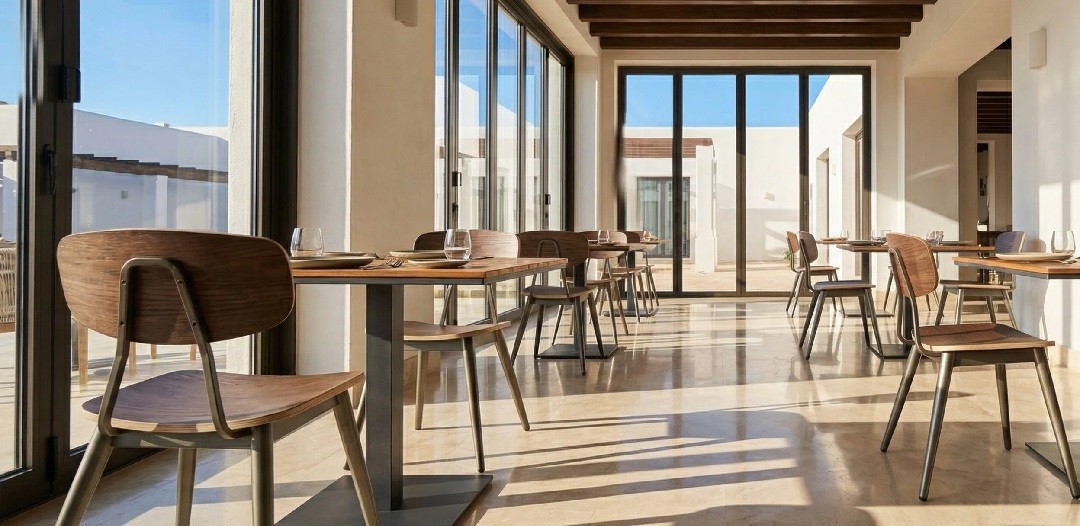
Imagine walking into a sun-drenched café where the morning light filters through floor-to-ceiling windows, casting soft shadows on a table of rich, honey-toned wood. The chair beneath you has a curved wooden back that fits perfectly against your spine, while its sleek metal legs add a subtle industrial edge—no harsh lines, just a balanced blend of comfort and style. This is the magic of the restaurant furniture featured in these images: a design that bridges the gap between natural warmth and modern functionality, making it a top choice for chefs, restaurateurs, and design enthusiasts alike.
The Aesthetic: Natural Industrialism—A Trend That Stays Relevant
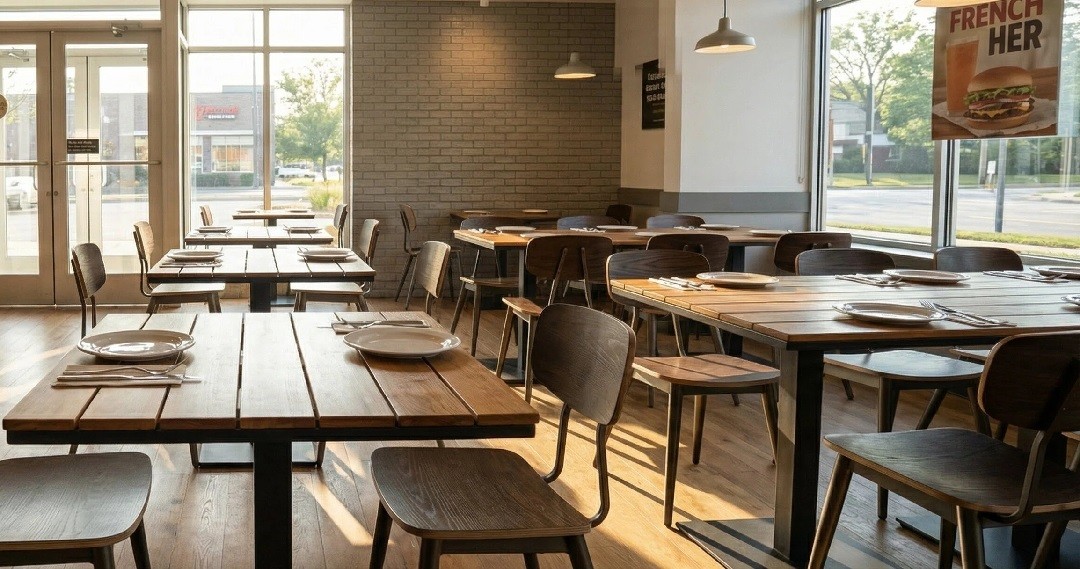
The tables and chairs in the photos embody what design experts call “natural industrialism”—a style that pairs organic materials (like solid wood) with industrial elements (such as powder-coated metal). It’s a look that feels both familiar and fresh: the wood brings the warmth of nature indoors, while the metal adds a touch of urban sophistication.
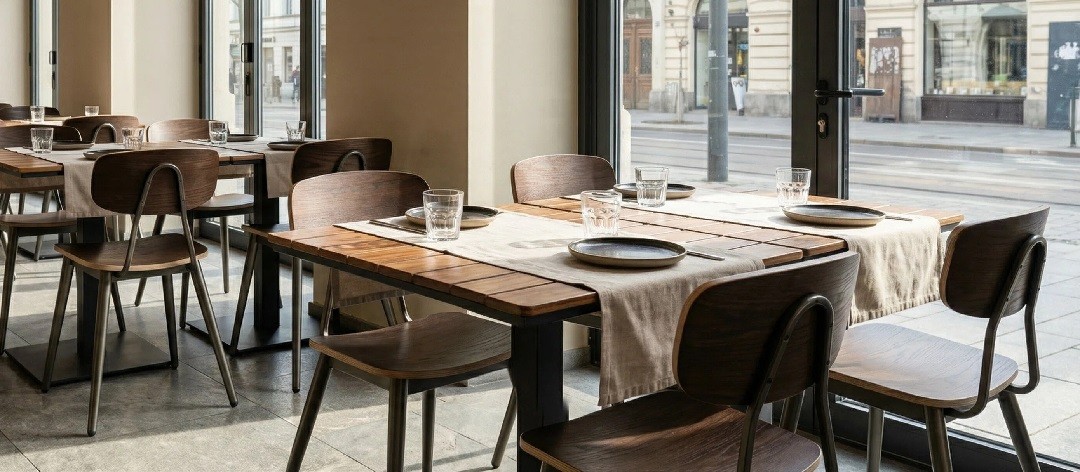
Take the table tops, for example. The slatted or solid wood surfaces show off the beauty of the grain—each knot and swirl tells a story of the tree it came from. This isn’t just “decor”; it’s a way to connect diners to the earth, even in a busy city restaurant. The metal bases, meanwhile, are minimalistic: slim, sturdy, and often in matte black or brushed steel. They don’t compete with the wood; they support it, like a frame for a piece of art.
Chairs follow the same philosophy. The curved wooden seats and backs are ergonomically designed—perfect for long meals or casual coffee breaks—while the metal frames add durability. Some models even have a “stackable” feature (though not visible here), which is a practical bonus for restaurants that need to reconfigure spaces quickly.
Why Restaurants Love It: Durability Meets Versatility
For restaurateurs, furniture isn’t just about looks—it’s about survival. A table that scratches easily or a chair that wobbles after a month of use is a liability. The wood-and-metal combination in these images checks all the boxes for high-traffic environments:
Wood: The table tops are likely made from hardwoods like oak or walnut, which are resistant to scratches and stains. Many restaurants opt for “pre-finished” wood that’s sealed with a durable varnish, making it easy to wipe down after a busy shift (think: ketchup spills, wine stains, or crumbs).
Metal: The bases are usually made from steel or aluminum—materials that can withstand heavy use without bending or rusting. Powder-coating adds an extra layer of protection against moisture and wear.
Versatility: These pieces work in any setting. Look at the images: they’re in a luxury hotel restaurant (with palm trees and marble floors), a casual beachside café (with outdoor views), a fast-casual burger joint (with brick walls and pendant lights), and a modern urban bistro (with floor-to-ceiling windows). The neutral color palette (warm wood + cool metal) lets them blend into any decor—from bohemian to minimalist.
The Consumer Angle: Comfort and “Instagrammability”
Diners care about two things: how comfortable they are, and how good the photos look. This furniture delivers on both.
Comfort: The curved wooden chairs have a “contoured” feel—no hard edges digging into your back. The seat height is perfect for standard tables (around 30 inches), so you don’t have to hunch over your food. Even the metal frames are designed to be lightweight but sturdy, so you can move the chair without struggling.
Instagrammability: Let’s be honest—people love taking photos of their meals. The wood grain, the metal accents, and the way the light hits the surfaces make these tables and chairs “photo-ready.” A quick scroll through Instagram or Pinterest shows thousands of posts featuring similar furniture, tagged with #RestaurantDesign or #CaféVibes. For restaurants, this is free marketing: when customers post photos of their table, they’re promoting the space to their followers.
Sustainability: A Bonus for Eco-Conscious Brands
In an era where “sustainability” is more than a buzzword, this furniture has another selling point: it’s often made with eco-friendly materials.
Wood: Many manufacturers use FSC-certified wood (from responsibly managed forests) or reclaimed wood (from old barns or factories). Reclaimed wood adds character—each table has a unique history—and reduces demand for new timber.
Metal: Recycled steel or aluminum is common in metal bases. Recycling metal uses 75% less energy than producing new metal, which is a big win for the planet.
Longevity: Because these pieces are durable, they don’t need to be replaced as often as cheaper furniture. This “buy less, buy better” philosophy aligns with the circular economy—reducing waste and saving money in the long run.
The Future of Restaurant Furniture: Where Is This Trend Going?
If you ask design experts, the wood-and-metal combination isn’t going anywhere—but it’s evolving. We’re already seeing:
Mixed Materials: Some brands are adding fabric or leather to the chairs (for extra comfort) while keeping the wood and metal frame.
Customization: Restaurants can choose the wood stain (from light oak to dark walnut) and metal color (matte black, brushed gold, or even copper) to match their brand.
Smart Features: Imagine a table with a built-in wireless charger or a chair with a hidden storage compartment—small touches that make the furniture more functional for modern diners.
Conclusion: More Than Just Furniture—It’s a Feeling
The tables and chairs in these images aren’t just pieces of wood and metal. They’re a way to create a “vibe”—a feeling of warmth, comfort, and style that makes diners want to stay longer, order another round, and come back next week.
For restaurateurs, it’s a smart investment: durable, versatile, and on-trend. For diners, it’s a place to relax and enjoy good food. And for design lovers, it’s a perfect example of how “simple” can be “stunning.”
In a world where trends come and go, this wood-and-metal combination is a classic—like a good meal or a great conversation. It’s not flashy, but it’s memorable. And that’s why it will always be a favorite in restaurants around the world.
Next time you sit down at a café or restaurant, take a look at the table and chair. Chances are, they’re part of this timeless trend—and they’re making your meal just a little bit better.